The Role of Technology in Modern Spice Processing
Spices have been part of human civilization for centuries, adding flavor, aroma, and nutritional value to meals across the globe. However, the way spices are processed has evolved significantly. Gone are the days when spices were dried under the sun and packed manually with little quality control. Today, technology plays a critical role in ensuring that spices meet modern demands — not only in terms of taste and aroma but also food safety, consistency, and export standards. For producers in spice-rich countries like Indonesia, integrating technology into spice processing has become essential to remain competitive in the global market.
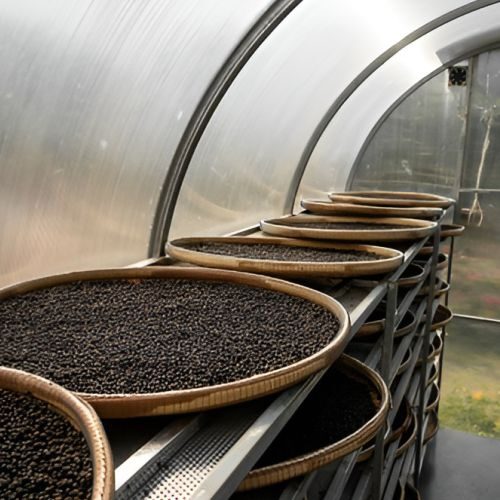
Modern spice processing begins at the post-harvest level. Once spices are harvested from the fields, the first challenge is proper drying. Traditional open-air sun drying, while still used in some rural areas, is highly dependent on weather conditions and exposes the spices to dust, insects, and contamination. New drying technologies such as solar tunnel dryers, mechanical dryers, and hybrid drying systems help producers achieve uniform drying in a hygienic environment. These methods also allow better control over moisture levels, which is crucial for extending shelf life and preventing mold growth.
Sorting and grading are the next important steps in the processing chain. In the past, this was done manually, relying on human eyes to separate impurities and classify sizes. Today, optical sorters and machine vision systems can detect color defects, foreign materials, and size differences with high precision. This technology not only increases speed and accuracy but also ensures a higher quality product that meets buyer specifications.
Cleaning is another critical stage where technology has brought major improvements. Dust, stones, stems, and other foreign particles must be removed without damaging the delicate structure of the spice. Air classifiers, de-stoners, vibratory sieves, and magnetic separators are now widely used in modern spice facilities. These machines offer gentle and effective cleaning that maintains the integrity of the product.
Perhaps the most transformative technological advancement in spice processing is sterilization. Spices are highly susceptible to microbial contamination, which can be a serious health risk and often leads to product rejection at customs in many countries. Advanced sterilization methods, such as steam sterilization, autoclaving, infrared heating, and UVC treatment, are now widely adopted. These systems eliminate pathogens like Salmonella, E. coli, and molds without compromising the natural characteristics of the spices.
For example, autoclave machines use high-pressure saturated steam to penetrate deep into the spices and ensure microbial safety. Meanwhile, UVC vibrators apply ultraviolet radiation to neutralize surface contamination in a dry process, suitable for spices that are sensitive to moisture. These technologies allow exporters to meet international food safety standards without using chemical treatments, which are increasingly avoided by health-conscious consumers.
Technology also plays a vital role in grinding and milling. Precision grinders can produce consistent powder textures and granule sizes, which is important for industrial buyers and food manufacturers. With temperature control and enclosed systems, modern grinders prevent heat buildup that can affect essential oils and aroma. This results in spices that retain their flavor and color even after processing.
Packaging is another area where technology matters. Vacuum packaging, modified atmosphere packaging (MAP), and automated filling machines help maintain freshness and prevent exposure to moisture, air, and contaminants. With digital labeling and batch tracking systems, every spice product can be traced back to its origin, helping meet the rising demand for transparency and traceability.
Technology also supports sustainability in spice production. Water-saving washing systems, energy-efficient dryers, and waste management systems help reduce the environmental impact of processing facilities. Some companies even use by-products like spice dust and husks as fuel sources or compost, contributing to circular production practices.
Beyond equipment, digital platforms and automation are revolutionizing the entire supply chain. From inventory tracking to remote monitoring of processing lines, technology enables better decision-making and efficient resource management. Farmers can now receive training and support through mobile applications, while exporters use cloud-based systems to manage logistics, certifications, and customer orders in real-time.
For exporters like Cahaya Timur Indonesia, adopting modern technology is not only about meeting global standards — it is about building trust. Buyers want assurance that the spices they purchase are clean, safe, ethically sourced, and consistent in quality. Technology bridges that gap by providing measurable, repeatable, and verifiable processes at every stage of production.
In conclusion, the role of technology in modern spice processing is transformative. From drying and cleaning to sterilization and packaging, technological advancements help ensure that spices from regions like Indonesia are not only flavorful and aromatic, but also safe, sustainable, and export-ready. For importers and end consumers, this translates into a higher quality experience — and for producers, it represents a powerful opportunity to compete and grow in the international market.