What Importers Should Know About Buying Spices from Indonesia?
Indonesia has long been known as the “Spice Islands,” a term that dates back to the 16th century when traders from Europe came in search of cloves, nutmeg, and other exotic spices. Today, Indonesia remains one of the top global suppliers of a wide range of spices including cloves, nutmeg, cinnamon, turmeric, ginger, and pepper. However, importing spices from Indonesia involves more than just selecting a supplier. There are crucial aspects that importers should understand to ensure quality, safety, and long-term success in sourcing from this diverse and dynamic country.
First and foremost, it’s essential to recognize the diversity of spice-producing regions in Indonesia. From Sumatra to Java, Sulawesi to the Maluku Islands, each region offers unique flavor profiles, growing conditions, and post-harvest techniques. Understanding where your spices are sourced from can help you ensure product consistency and traceability. For example, nutmeg from the Banda Islands may have different oil content and aroma compared to nutmeg grown in North Sulawesi. Identifying these regional distinctions is valuable when developing your product line or catering to niche markets.
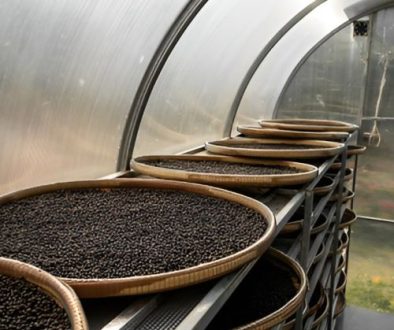
Quality control is another key issue when importing spices. Indonesian spices are typically harvested by small-scale farmers, and post-harvest handling can vary greatly depending on the region and level of infrastructure. Inconsistent drying methods, lack of proper sorting, or contamination during storage can all affect the quality of the spices you receive. That’s why it is vital to work with suppliers who not only understand export standards but also have proper quality assurance protocols in place. Reputable exporters like Cahaya Timur Indonesia, for example, implement strict sorting, sterilization, and packaging systems to ensure product hygiene and consistency.
One major concern among international buyers is microbial safety. Whole and ground spices, if not properly treated, can carry contaminants like salmonella, mold, or insect eggs. Importers should ask whether the supplier uses sterilization technologies such as steam treatment, autoclaving, or UV sanitation. These methods, when properly executed, ensure that the spices meet food safety standards without altering their flavor, color, or aroma. Many countries now require spice imports to meet microbiological criteria, especially for spices entering the EU, USA, and Japan.
Certifications are also an important consideration. Importers should look for suppliers with certifications such as HACCP, ISO 22000, GMP, and, if applicable, Organic or Halal. These certifications demonstrate the supplier’s commitment to food safety, traceability, and ethical practices. They also make the clearance process at your country’s customs easier and more predictable. If your customers include food processors or retailers, certified products will be a requirement—not just a bonus.
Sustainability and traceability are rising priorities for global buyers. Increasingly, retailers and consumers alike want to know where their spices come from, who harvested them, and whether the farming practices used were ethical and environmentally sound. Many Indonesian exporters now work directly with farming cooperatives to ensure fair trade, educate farmers about regenerative farming, and implement traceability systems. These relationships not only support smallholder farmers but also help build a more transparent and resilient supply chain.
Logistics and shipping are another key area to understand. While Indonesia has major ports such as Surabaya, Makassar, and Jakarta, many spice-producing regions are located in more remote areas. This makes inland transportation a crucial part of the overall export process. Working with a supplier that manages logistics efficiently, including packaging that protects against moisture and pests, is crucial for ensuring your spices arrive in excellent condition.
Customs documentation should not be overlooked. Your supplier must provide you with proper export documents such as Certificate of Origin, Phytosanitary Certificate, Bill of Lading, and relevant test reports. Having the right paperwork in place will minimize delays and problems during importation. Experienced suppliers are familiar with the documentation requirements for different countries and can guide you through the process.
Cultural and communication differences may also affect the buying process. While many Indonesian exporters speak English, clear and consistent communication is key. Always establish your expectations early, ask for product samples, and request regular updates on production and shipping. Building a strong relationship with your supplier helps avoid misunderstandings and encourages long-term collaboration.
Finally, pricing can vary depending on the season, weather conditions, and global demand. It’s advisable to monitor the market trends and harvest periods. For example, clove prices might rise during the off-season or if there’s poor weather during harvest. Having a diversified supplier base and building long-term agreements can help stabilize costs and ensure continuity of supply.
In conclusion, buying spices from Indonesia offers exciting opportunities for quality, diversity, and market appeal. However, it requires due diligence in selecting the right supplier, understanding food safety standards, ensuring traceability, and managing logistics effectively. With the right partnerships and a clear strategy, importers can benefit greatly from the richness and authenticity that Indonesian spices bring to the global culinary scene.